
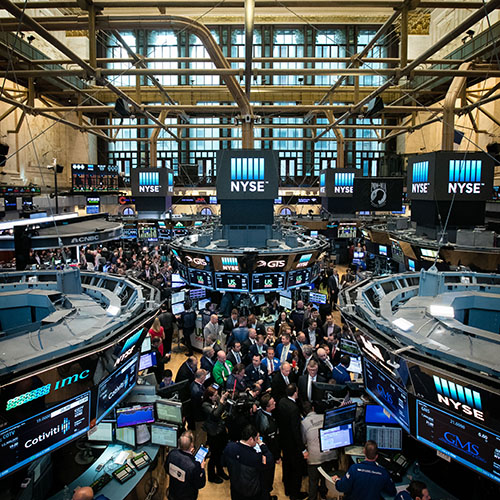

Global financial markets have experienced a week of intense volatility, driven by growing fears of a recession in the United States and other major markets. Stock exchanges worldwide have been affected, with the Dow Jones, S&P 500, and Nasdaq falling significantly, reflecting investors’ concerns about the state of the economy.
A Context of Uncertainty
The downturn began after the release of a U.S. jobs report showing much lower-than-expected job creation for July. With only 114,000 new jobs created compared to an average of 215,000 over the past 12 months, analysts have started questioning the health of the U.S. labor market. Additionally, the unemployment rate rose to 4.3%, triggering the Sahm Rule, which links the onset of a recession to a sustained increase in unemployment.
The Federal Reserve’s decision to maintain interest rates at their highest level in 23 years, despite these figures, has intensified market jitters. Although Fed Chairman Jay Powell has indicated that more time is needed to confirm the inflation trend toward its 2% target, many economists and politicians criticize the lack of action to cut rates and stimulate economic growth.
Global Market Impact
The ripple effect of these concerns has been evident globally. In Japan, the Nikkei 225 index suffered a 12.4% drop, its worst single-day performance since Black Monday in 1987. This decline was exacerbated by the yen’s appreciation against the dollar, negatively affecting Japanese exports and generating selling pressure in the tech market.
Risk aversion has led investors to seek refuge in safe-haven assets such as U.S. government debt, causing the market’s fear index to rise to levels not seen since 2020. This flight to safety reflects the fear that the Federal Reserve has delayed action for too long to mitigate a seemingly imminent recession.
Wall Street’s Response
In response to this scenario, major investment banks have revised their economic forecasts. JPMorgan and Citigroup have called for aggressive interest rate cuts, suggesting half-point reductions in the September and November meetings, followed by smaller adjustments to reach a «neutral» level that does not hinder growth.
Meanwhile, defensive sectors like healthcare and consumer staples have shown some resilience. Companies like Apple have experienced relative stability, acting as havens in times of volatility despite stock sales by prominent investors like Warren Buffett.
A Call for Caution
Despite the current situation, at WSV Research, we recommend not overreacting to the figures of a single month and taking advantage of the opportunities offered by many markets, with stocks trading well below their intrinsic value, thus creating significant long-term investment opportunities due to this market reaction. Austan Goolsbee, president of the Chicago Federal Reserve, noted that the U.S. economy is still far from an imminent collapse, and the GDP growth of 2.8% in the second quarter indicates that the outlook is not entirely bleak.
However, the growing reliance on credit by consumers and rising delinquency rates suggest a weakening demand that could have long-term repercussions. In this environment, investors and finance professionals should prepare to navigate a period of uncertainty, adjusting their strategies to address both the potential for recession and emerging opportunities.
Conclusion
The recent market turbulence underscores the delicate position of the global economy. The combination of restrictive monetary policies, a weakened labor market, and an uncertain international outlook requires a carefully strategic response from the Federal Reserve and other economic actors. As the Fed’s next meeting approaches, the decisions made could determine the course of the economy and financial markets in the coming months.
Deja un comentario