

Context and Interest Rate Cut Expectations
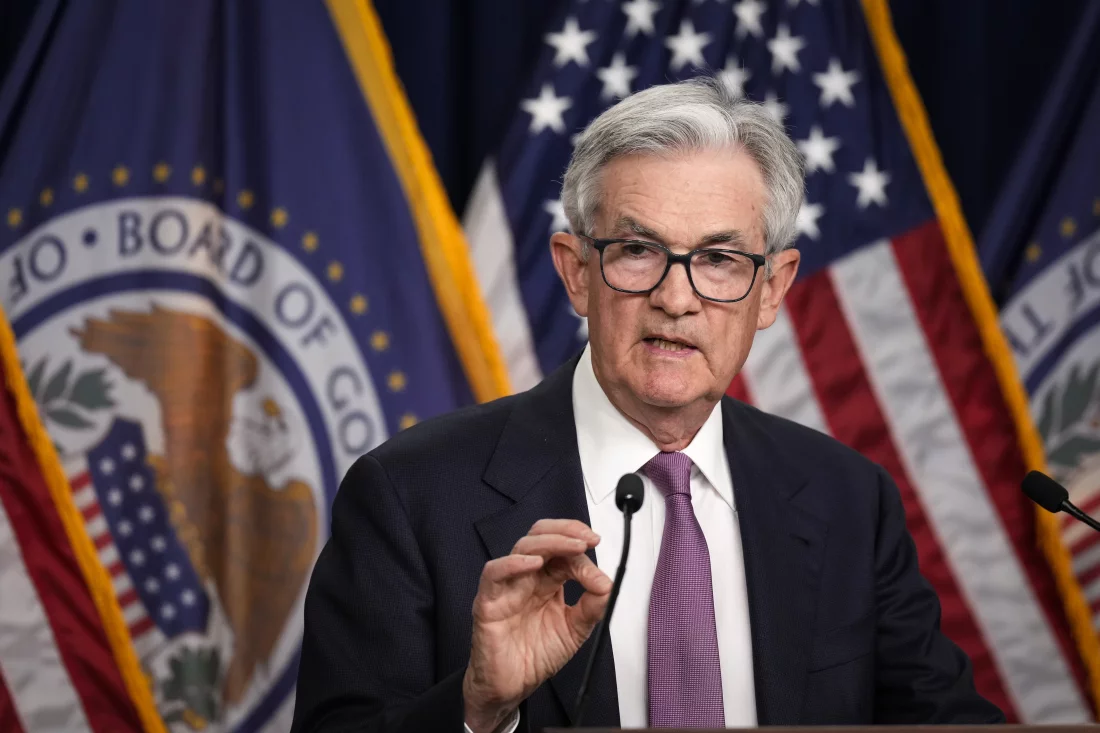
Jay Powell, the Chair of the Federal Reserve, is facing one of the most critical decisions of his tenure: initiating a cycle of interest rate cuts after an extended period of hikes that has pushed borrowing costs to their highest level in 23 years. The pressure to begin this process stems from the gradual easing of inflationary pressures and uncertainty surrounding the labor market, leading to rising expectations from both markets and economists.
For investors, the signals the Fed sends are key. Monetary policy decisions not only impact financing costs but also directly affect asset valuations. Interest rate-sensitive sectors, such as technology and real estate, could experience significant market moves depending on the degree of monetary easing that is applied.
The economic landscape presents a dilemma for the Fed: an overly aggressive cut could reignite inflation, while a more cautious approach could cause unnecessary economic cooling. Powell has emphasized the importance of achieving a «soft landing,» where the economy slows just enough to control inflation without tipping into a recession.
Impact on Financial Markets
Wall Street is already anticipating moves from the central bank. Expectations for a larger half-point cut have gained traction, with interest rate futures suggesting that a significant portion of the market is banking on this outcome. Stock indices have responded positively to this outlook, with the S&P 500 and the Dow Jones approaching record highs. For value investors, this Fed action could revitalize more cyclical sectors, while growth investors might find value in tech stocks, which tend to benefit from lower interest rate environments.
However, the possibility that the Fed could opt for a more conservative quarter-point cut cannot be ruled out. A more modest move might raise concerns about economic growth, especially if employment and retail sales data, which will be released this week, aren’t as weak as some analysts have predicted.
Investor Outlook
In any case, the Fed is walking a tightrope, and investors should be prepared for potential market volatility. Monetary policy decisions, particularly in this context, have far-reaching implications, from bond yields to stock valuations. Aggressive cuts could temporarily boost risk assets but might also signal deeper concerns about the overall economic health.
Powell and his team must also consider the political landscape, with presidential elections on the horizon. Fed independence has been a recurring issue, but interest rate decisions in election years always come with additional scrutiny. For investors, this political backdrop could add another layer of complexity when assessing the future of the markets.
In conclusion, the outcome of this week’s Fed meeting will set the tone for financial markets in the coming months. An interest rate cut, whether by a quarter or a half point, will signal the end of the tightening era and the beginning of a new easing phase, potentially providing significant relief for investors. However, the path to a soft landing remains uncertain, and the Fed’s ability to manage this delicate balance will be crucial for long-term market performance.
For readers of WSV Research, this moment offers a key opportunity to reassess portfolios, considering the sectors and asset classes that could benefit most from a lower interest rate environment. Stocks in interest rate-sensitive sectors, such as technology, may be attractive, while the financial sector could face additional pressure if lending margins narrow due to lower rates.
Deja un comentario