
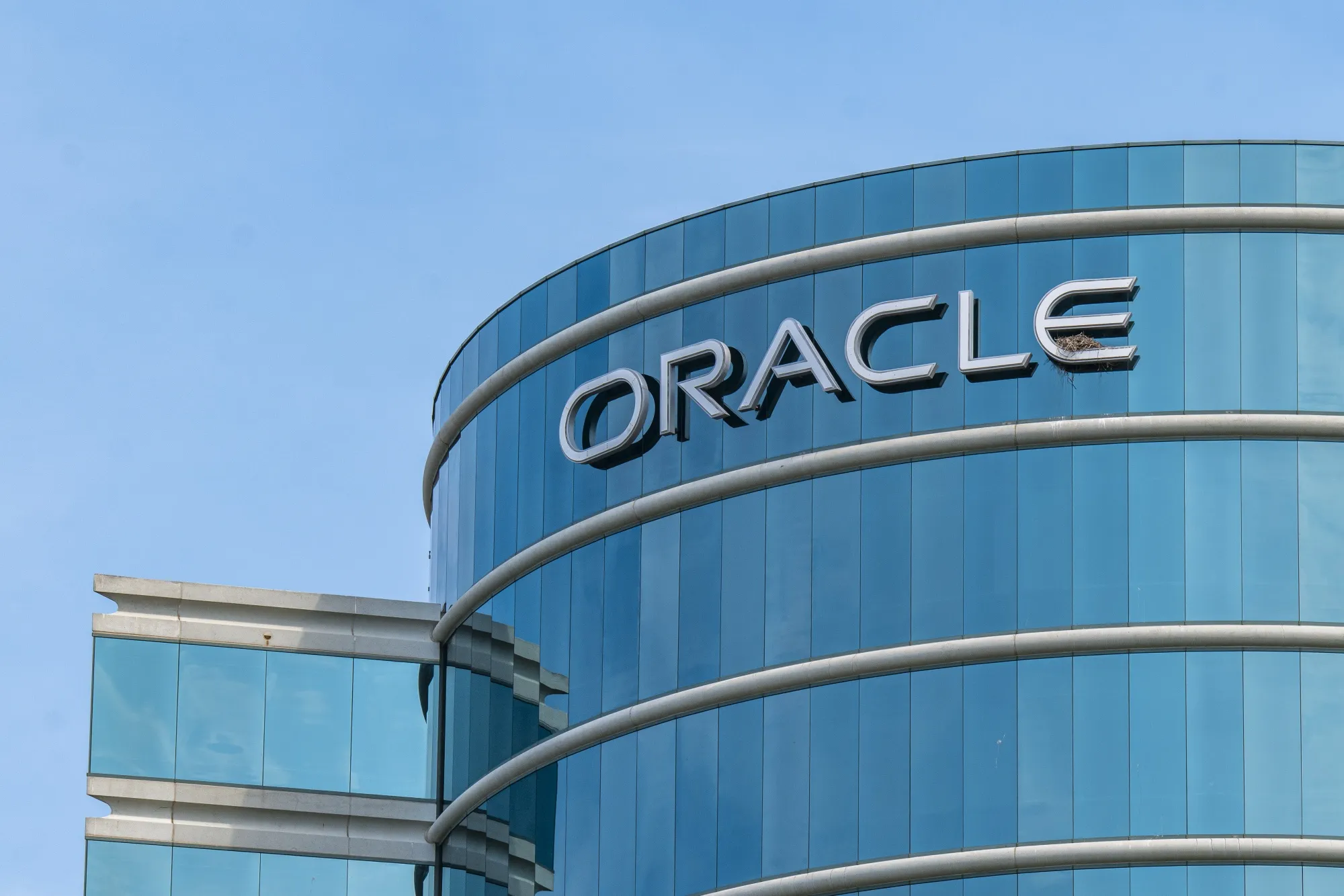

Wednesday, September 10, 2025, will be etched in the history of Oracle Corporation (ORCL). A 35.95% surge, adding over $200 billion to its market value, is a phenomenon that demands more than a headline—it requires a deep analysis for investors seeking to understand whether this marks a fundamental inflection point or excessive euphoria.
The trigger was a single number: $455 billion. This is the record-breaking figure for its «Remaining Performance Obligations» (RPO), a backlog of future revenue under contract that grew 350% year-over-year. For the value investing community, this metric is critical: it is not a projection but tangible visibility into future cash flows.
The Transformation Thesis: From Software Seller to Critical Infrastructure
Oracle has executed one of the most successful transformations in the technological era. It has evolved from a mature software company into one of the four indispensable pillars of AI cloud infrastructure, alongside Microsoft, Amazon, and Google.
The comparison to NVIDIA’s breakout in 2023 is inevitable and analytically useful:
- NVIDIA (NVDA) is the supplier of the «picks»—the chips (GPUs) indispensable for training AI models.
- Oracle (ORCL) is building «the stadiums»—the high-performance cloud infrastructure where those models run and scale.
This position allows Oracle to project a 70% compound annual growth rate (CAGR) for its cloud infrastructure business, which could drive its segment revenue to $144 billion by 2030. CEO Safra Catz made it clear that much of this growth is already locked into that monstrous RPO figure.
Risk Assessment: The Value Investor Must Consider
Any move of this magnitude demands a cold, risk-aware analysis. Here are the key factors every investor must weigh:
- Massive Capital Expenditure (CapEx): To build capacity, Oracle plans to increase its CapEx by 65%, to approximately $35 billion this year. This will inevitably impact free cash flow in the short term. The value question is: Is the trade-off worth it? Analysts like Kirk Materne of Evercore ISI argue that long-term investors «will accept this sacrifice to secure a leadership position.»
- Overwhelming Expectations: A 70% CAGR is unsustainable in perpetuity. The market is now pricing in flawless execution. Any slowdown in signing new mega-contracts or delays in data center construction could generate volatility.
- Fierce Competition: Oracle faces rivals with even deeper war chests (MSFT, AMZN, GOOGL). Its advantage lies in the specific technology of its Gen2 cloud and its performance with AI workloads, but the battle for market share will be intense.
The Economic Moat and Growth Runway: Future Catalysts
Despite the risks, the fundamentals for growth appear solid and structural:
- Insatiable Demand: The wave of agentic AI spending is still in its early innings. The global market is projected to exceed $1.3 trillion over the next four years.
- Anchor Tenant Contracts: Its involvement in the Stargate project (backed by the U.S. government with a potential investment of $500 billion) and its partnerships with xAI and Meta Platforms provide a solid, long-lasting revenue base.
- Technological Advantage: Its cloud architecture, praised for its performance and security, is enabling it to win business from leading players who prioritize performance over price.
Conclusion: An Infrastructure Opportunity with Unprecedented Visibility
For the value investor, Oracle presents a fascinating case. It is not a «cheap» stock by traditional metrics, but it offers something invaluable: certainty about future growth.
The $455 billion RPO provides a level of predictability rarely seen. The aggressive CapEx investment, though suppressant of short-term FCF, is a strategic bet to capture a generational opportunity.
Yesterday’s move was not just a reaction to numbers; it was the market recognizing that Oracle has transitioned from a story of static valuation to one of tangible growth—and, most importantly, contracted growth.
Disclaimer: This article is for informational purposes only and does not constitute investment advice. Investors should conduct their own due diligence before making any investment decisions.
Deja una respuesta