
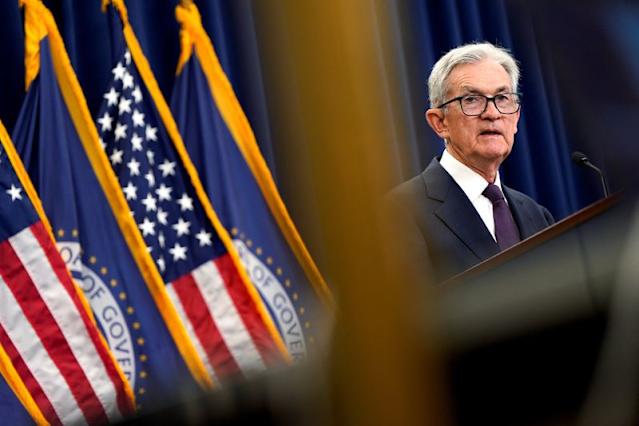
The Federal Reserve surprised markets this week with a quarter-point interest rate cut, while signaling the possibility of further easing in the coming months. Despite projecting stronger growth and steady inflation over the next two years, policymakers opted to deliver an early stimulus that Wall Street quickly embraced. The S&P 500 responded by moving toward its 26th record high of 2025, extending a rally fueled by optimism around artificial intelligence, productivity gains, and fiscal support.

Looking ahead, market attention is focused on the next FOMC meeting, scheduled for October 29. According to the CME FedWatch Tool, as of September 18, investors assign a 94.1% probability that the target rate will fall to 375–400 bps, down from the current range of 400–425 bps. In other words, the consensus effectively expects another rate cut, suggesting that much of the upside has already been priced in.
Why the Fed Cut Matters
This is the second year of the Fed’s rate-cutting cycle. Historically, such periods often support equities, as lower borrowing costs increase liquidity and reduce discount rates. However, history also warns that cuts are not always bullish. The recessions of 1980–81, 2001, and 2007 all unfolded during aggressive easing cycles.
The takeaway is clear: the effectiveness of rate cuts depends on sustained economic growth. If GDP momentum falters, the rally could quickly unwind.
Elevated Valuations
Beyond macroeconomic risks, valuations are signaling caution. The CAPE ratio, developed by Nobel laureate Robert Shiller, places the S&P 500 at its most expensive levels since the dot-com bubble.

- If corporate earnings deliver, these valuations could be justified.
- If profits disappoint, today’s optimism could give way to a painful correction.

For now, Wall Street is leaning toward the optimistic scenario: Bank of America raised its 2025 S&P 500 earnings forecast to $271 per share, while RBC increased its year-end index target to 6,350 points. Both reflect confidence in profit growth, but also highlight the delicate balance between earnings strength and macro risks.
Risks Investors Shouldn’t Ignore
Several structural risks remain on the horizon:
- Labor market weakness — A slowdown in hiring or wage growth could weaken consumption.
- Fiscal pressures — Record U.S. debt and deficits may push bond yields higher, even as the Fed eases.
- Tariff and geopolitical uncertainty — Trade frictions could re-emerge and affect global supply chains.
- Inflation surprises — Higher or lower-than-expected inflation could force the Fed into rapid policy adjustments.
With valuations already elevated, any of these factors could amplify volatility in the months ahead.
Conclusion
The Fed has provided a powerful short-term catalyst for equities, but rate cuts alone do not guarantee sustainable returns. Investors should stay focused on earnings momentum, macro resilience, and sector-specific opportunities that can thrive in a lower-rate environment.
As WSV Research emphasizes: monetary policy may light the spark, but corporate profits keep the fire burning.
Deja un comentario